
Pet Parenting Tips: First-Time Dog Owner Guide India
Practical pet parenting tips for first-time dog owners in India: what to prepare, the first week plan, feeding, vaccinations, training, walks and the mistakes most new dog parents make.
By the wagNbush Team · Last updated: 17 October 2026 · 9 min read
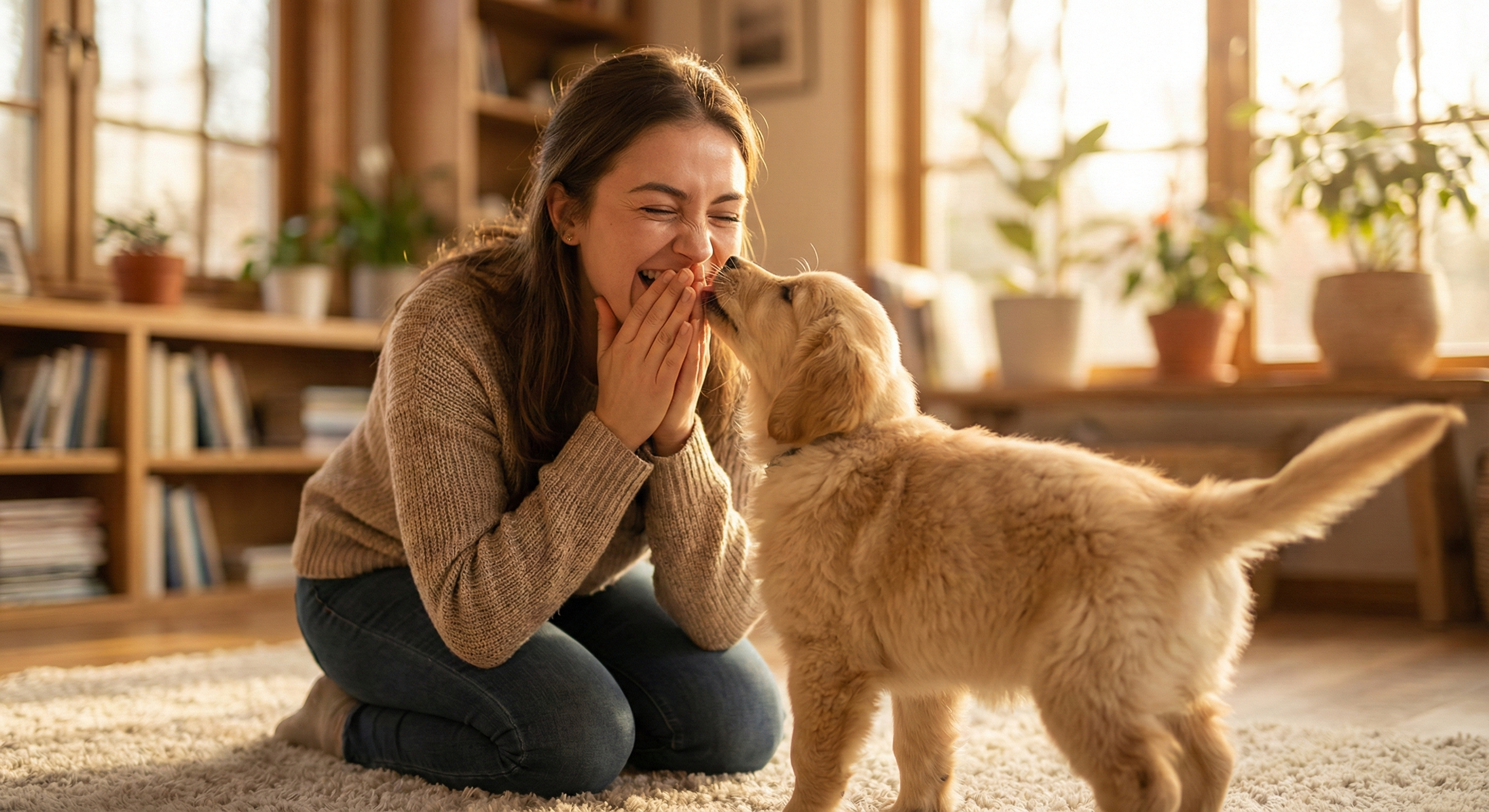
Bringing home your first dog is exciting, and a little scary. These pet parenting tips are written for first-time dog owners in India, from what to buy before the puppy arrives to the habits that matter for the next 12–15 years.
Save this page and come back to it in the first month. Most problems are easier to prevent than to fix.
Quick answer:
- Before day one: buy the basics (collar with ID tag, harness, leash, bowls, food, bed, toys, poop bags) and puppy-proof your home.
- First week: keep things calm, set fixed times for meals, toilet breaks, play and sleep, and book a vet check-up.
- Health: follow your vet's vaccination and deworming schedule, and check for ticks every day.
- Training: start reward-based training from day one in short 5-minute sessions. Never hit or shout.
- Exercise: most adult dogs need at least one walk a day, and many breeds need 1–2 hours of activity.
- Ask for help early: a trainer, walker or sitter costs far less than fixing a bad habit later.
Getting ready for your new dog
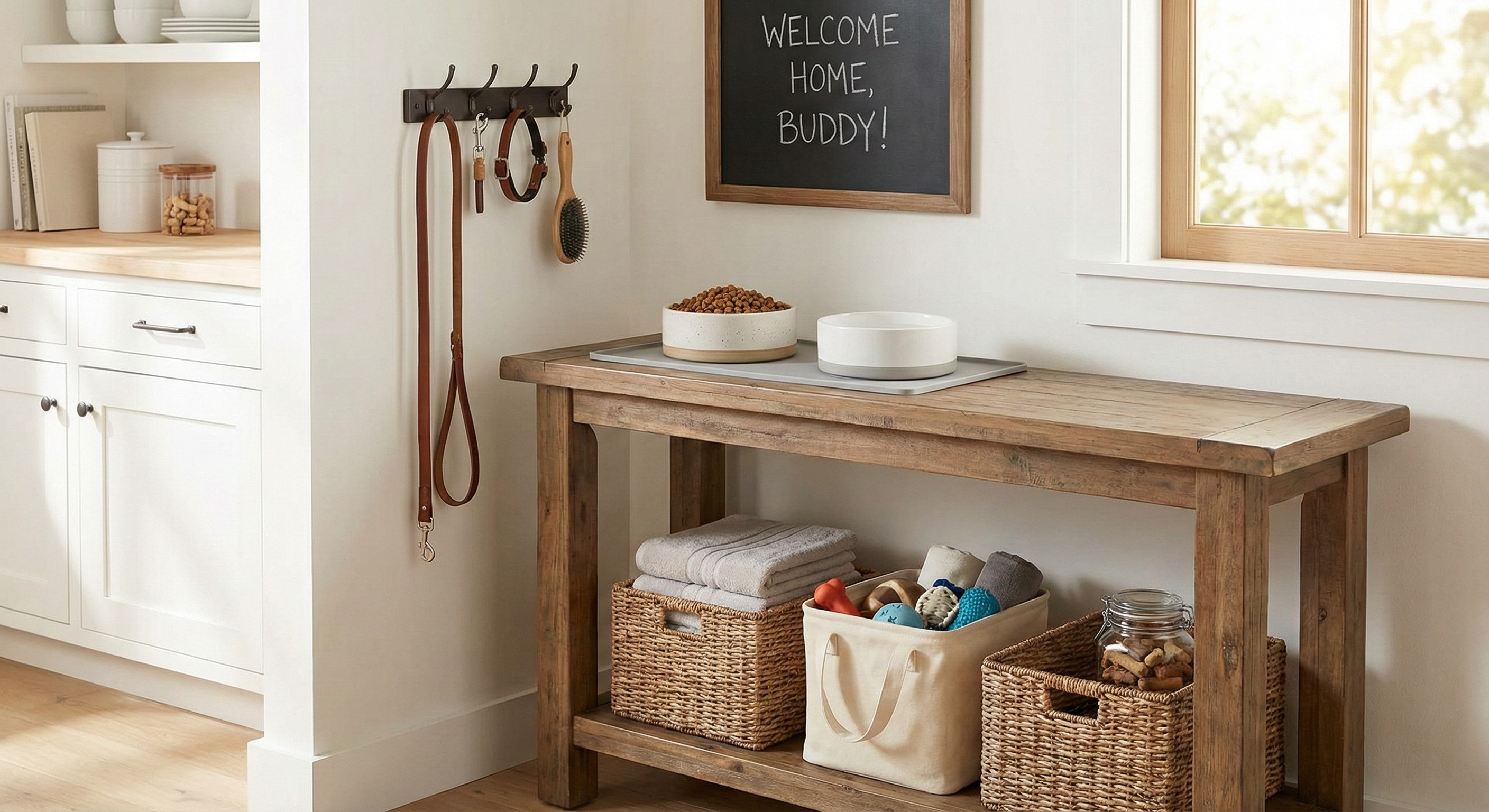
Before your puppy or adopted dog comes home, get the basics in place: a collar with an ID tag, a harness and leash, steel bowls, the food they're already eating, a bed or crate, chew toys, poop bags and basic grooming tools.
For the complete shopping list with real prices, see our new puppy checklist for India. If you'd rather buy it in one go, the first-time dog starter kit bundles the walk basics.
Puppy-proof your home
- Hide wires and chargers, or cover them.
- Lock away medicines, cleaning liquids and pest poisons.
- Keep dustbins covered. Chicken bones, onions and chocolate are common emergencies.
- Close balcony gaps and grilles. Puppies can slip through small spaces in high-rise flats.
- Move shoes, socks and hair ties off the floor.
Never share grapes, onions, chocolate or cooked bones with your dog, and ask your vet before giving any human food.
First week with a new dog
The first few days set the tone. Keep them quiet and predictable.
Give them a safe space
Set up a bed or crate in a quiet corner. Let your dog explore at its own pace. Limit visitors for the first week.
Fix a daily routine
Dogs settle faster when life is predictable. Set fixed times for:
- Meals (same times every day)
- Toilet breaks (after waking, after meals, after play, before bed)
- Walks and play
- Naps and night-time sleep
Start toilet training on day one
- Take your puppy out often, every 1–2 hours while awake to start with.
- Go to the same spot and use the same word, like "toilet".
- Praise and treat the moment they finish outside.
- Don't scold accidents. Clean with an enzyme cleaner and take them out more often.
Book a vet visit
See a vet within the first week. They will check overall health, plan vaccinations and deworming, and advise on food and weight.
Feeding tips for new dog parents
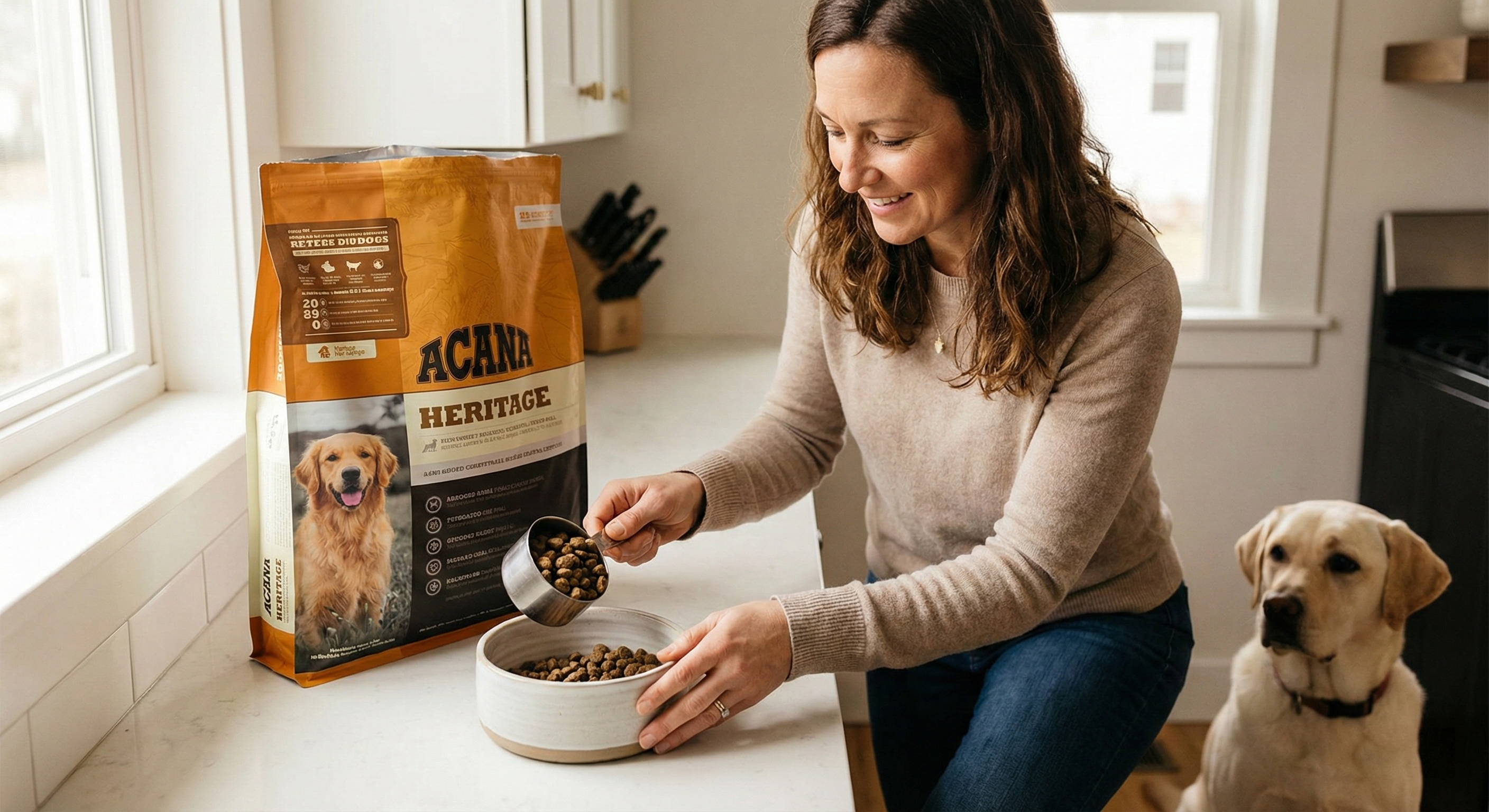
- Choose a "complete and balanced" food for your dog's life stage (puppy, adult or senior). Ask your vet if you are unsure.
- Feed scheduled meals, not a full bowl all day. Puppies usually get 3–4 meals a day, and adults usually get 2. Your vet will guide the change.
- Measure every meal. Start with the pack's feeding guide and adjust to your dog's body shape.
- Keep treats small. Treats should be no more than about 10% of daily calories.
- Fresh water, always, especially in Indian summers.
- Change food slowly, over about a week, to avoid an upset stomach.
Health basics: vaccines, deworming and ticks
Vaccinations
Your vet will set the exact schedule. As a guide, the World Small Animal Veterinary Association (WSAVA) recommends that puppies get several doses of core vaccines (distemper, adenovirus/hepatitis and parvovirus) every 2–4 weeks, with the last puppy dose at 16 weeks or older, then a booster at or after 26 weeks. In countries where rabies is common, including India, rabies vaccination is also a core vaccine.
Other vaccines, like those for kennel cough or leptospirosis, depend on where you live and your dog's lifestyle. Keep the vaccination card safe. Boarding centres, groomers and trains all ask for it.
Deworming
Puppies need frequent deworming in their first months, and adults need it regularly after that. See our dog deworming schedule for India and let your vet dose by weight.
Ticks and fleas
Ticks spread serious diseases in India. Check your dog's ears, neck, armpits and between the toes after every walk. Ask your vet which tick prevention suits your dog.
See a vet immediately if your dog has
- Repeated vomiting or bloody diarrhoea, especially in a puppy
- Breathing trouble, collapse or a seizure
- A swollen, hard belly or retching with nothing coming out
- Eaten something poisonous
- Heavy bleeding or a suspected broken bone
Training tips for first-time dog owners
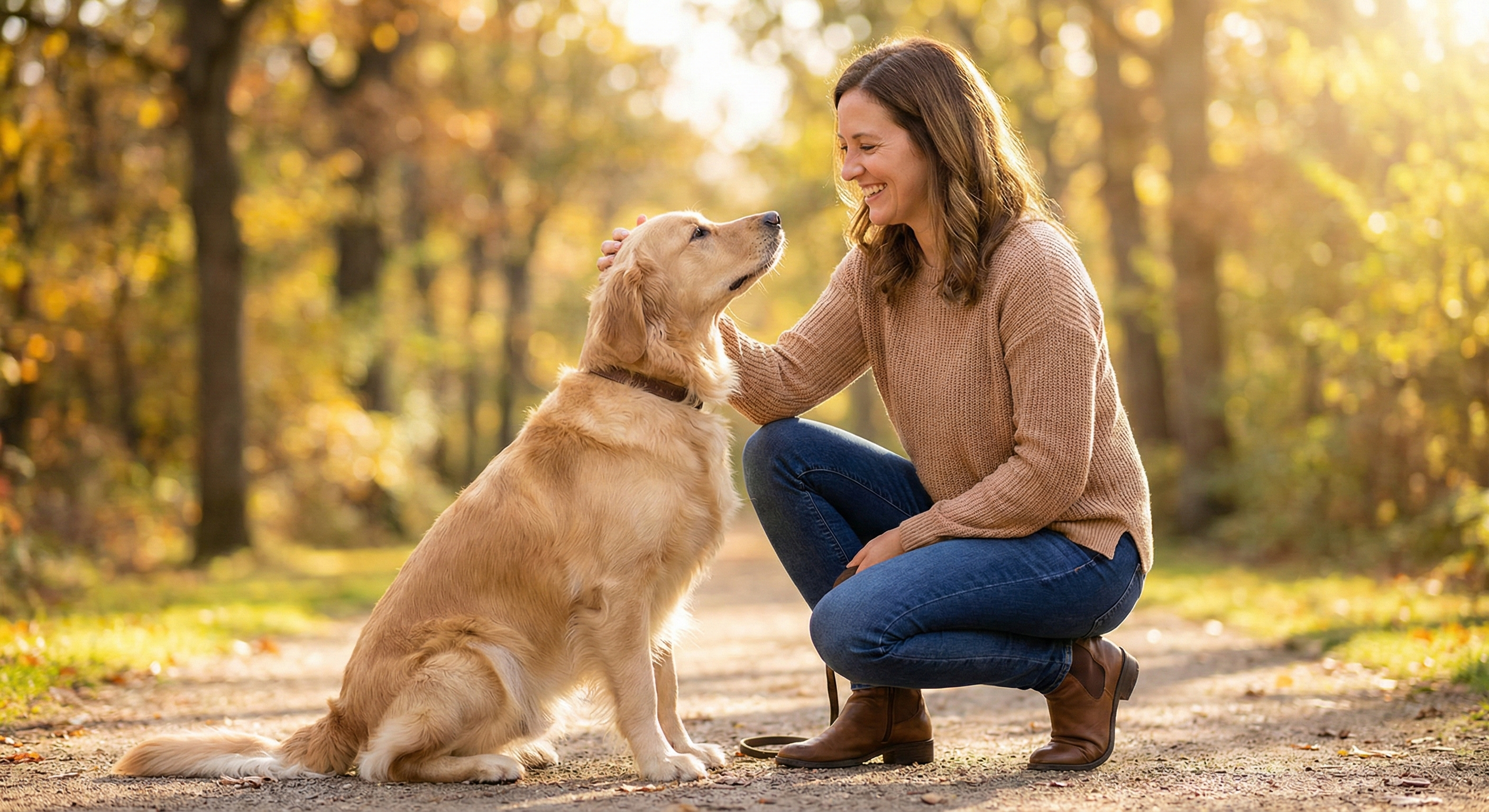
- Start with five commands: sit, stay, come, down and leave it.
- Keep sessions short. 5 minutes, two or three times a day, works better than one long session.
- Reward what you like with a small treat, praise or play, within a second or two.
- Everyone uses the same words. If one person says "down" for "get off the sofa" and another says "off", your dog gets confused.
- Never hit or shout. Punishment makes dogs fearful and can lead to biting.
- Teach being alone, slowly. Start with a few minutes and build up so your dog doesn't panic when you leave for work.
Socialise your puppy early
Puppies learn what is "normal" in their first few months. Gently introduce them to different people, sounds (traffic, pressure cookers, doorbells), surfaces and calm, vaccinated dogs. Ask your vet when it's safe to go to public places.
Plan ahead for Diwali and wedding season. Fireworks frighten many dogs, so keep a quiet room ready.
When to call a trainer
Call a trainer if your dog pulls hard on the leash, bites when playing, guards food or toys, or barks non-stop when alone. Find dog trainers in Bangalore or dog training in Pune on wagNbush.
Exercise and walks
How much exercise a dog needs depends on its breed, age and health. Guidance from the UK charity PDSA suggests:
| Dog type | Examples | Minimum exercise per day |
|---|---|---|
| High energy | Labrador, Golden Retriever, German Shepherd, Boxer | 2 hours or more |
| Medium energy | Beagle, Cocker Spaniel, Shih Tzu | About 1 hour |
| Lower energy | Pug, Pomeranian, Chihuahua | 30 minutes to 1 hour |
| Puppies | All breeds | About 5 minutes per month of age, twice a day |
Our guide on how long to walk your dog covers more breeds. In summer, walk early in the morning and late in the evening, and carry water.
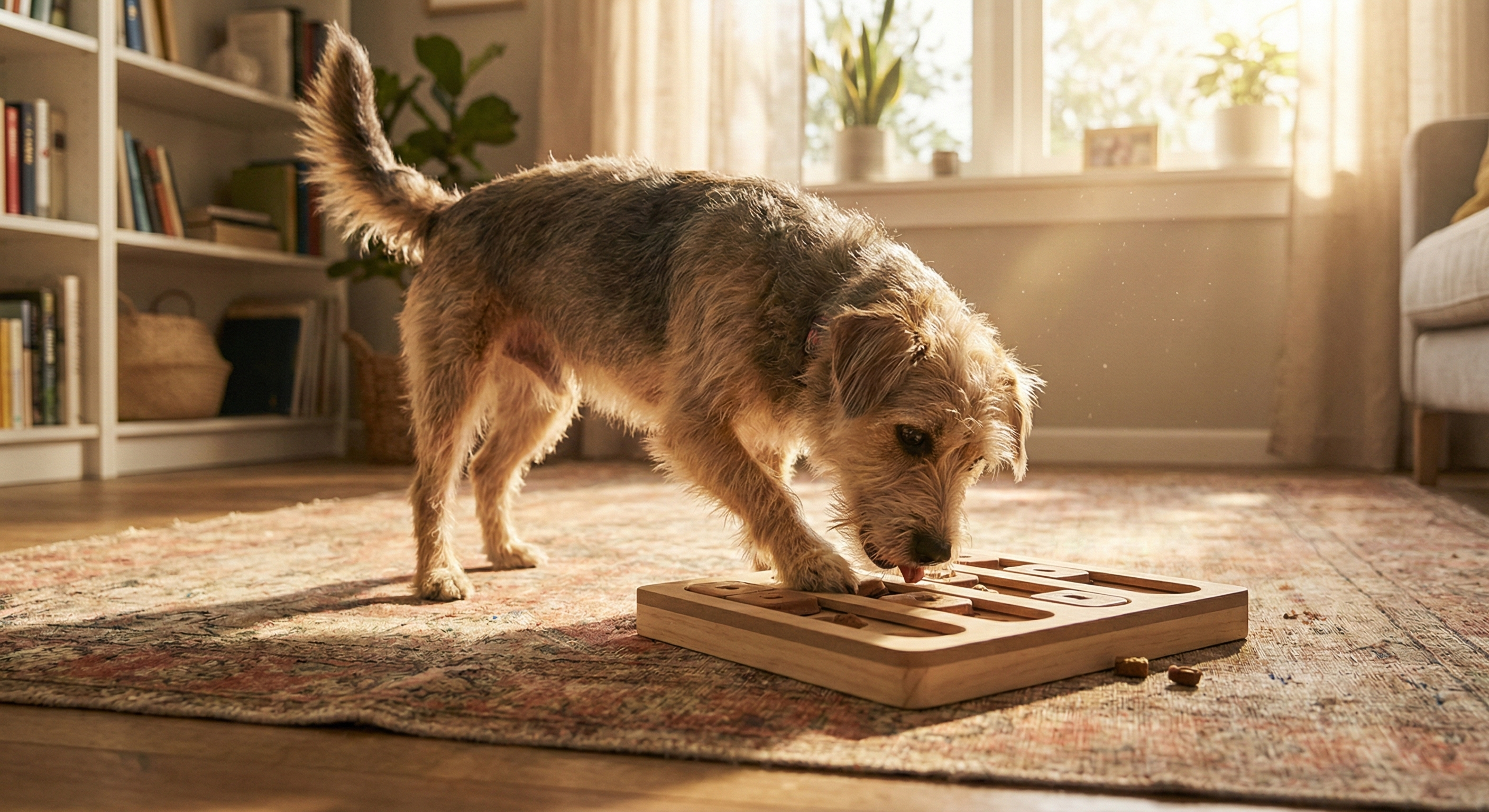
Exercise the brain too. Puzzle feeders, sniffing games and short training sessions tire a dog out as much as a walk.
Working long hours? A dog walker can cover the midday walk. Find dog walkers in Bangalore or dog walkers in Delhi NCR.
Grooming at home
- Brush short coats weekly, and long coats every day or two.
- Bathe only when needed, using dog shampoo. Human shampoo can irritate a dog's skin.
- Trim nails when you hear them clicking on the floor.
- Check ears weekly, especially in floppy-eared breeds.
- Brush teeth a few times a week with dog toothpaste.
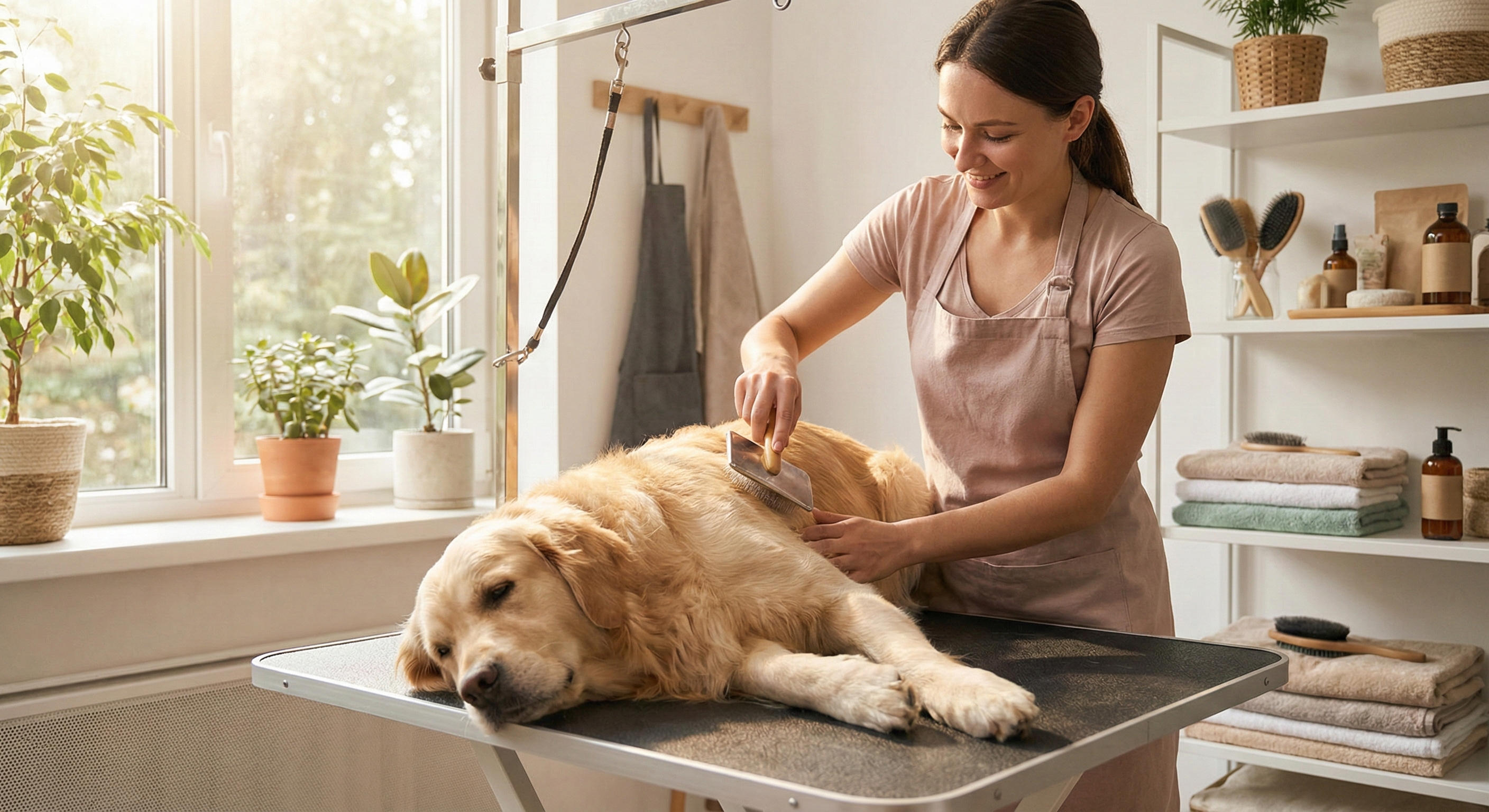
For heavy coats or haircuts, book pet grooming in Bangalore.
8 common mistakes new dog parents make
- 1. Choosing a breed for looks. A Husky or Saint Bernard struggles in Indian heat. Pick a breed that suits your home and climate.
- 2. Ignoring the Indie. Indian Pariah dogs are healthy, smart and suited to our climate. Read our guide to adopting an Indie dog.
- 3. Underestimating cost. Food, vet care and grooming add up. Our dog price in India guide covers breed prices and monthly costs.
- 4. Free-feeding and too many treats. This leads to weight gain.
- 5. Skipping socialisation. Under-socialised dogs often become fearful or reactive.
- 6. Inconsistent rules. Agree on house rules as a family.
- 7. Too little exercise. Bored dogs chew, dig and bark.
- 8. Waiting too long to see a vet. Puppies get sick fast. Call the vet early.
Your pet parent support team
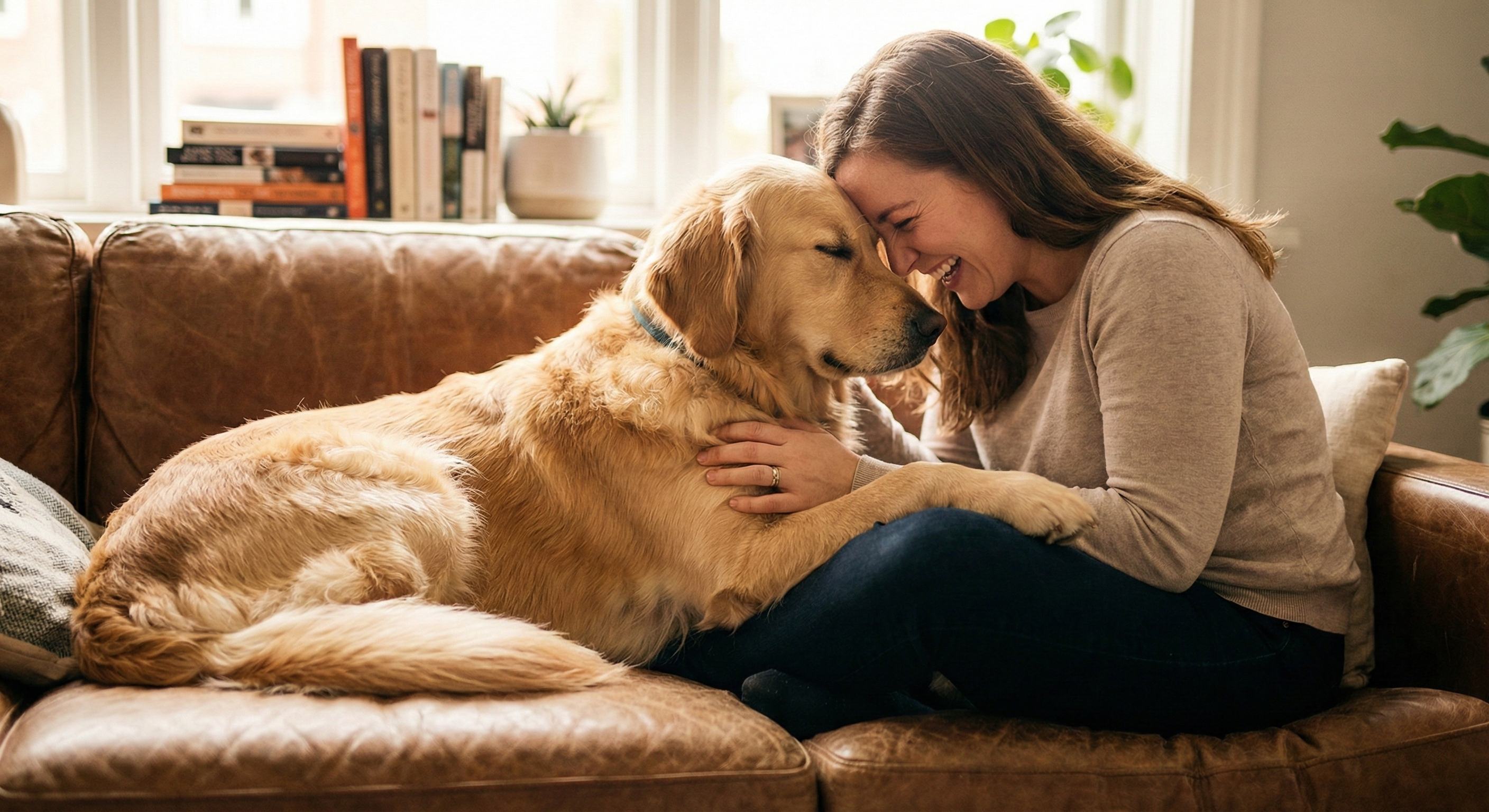
Nobody raises a dog alone. Line up these people before you need them:
- A vet close to home, plus an emergency clinic number
- A trainer for the puppy stage
- A dog walker for long workdays
- A pet sitter or boarding home for when you travel
- A groomer for coat care
Our guide to pet care services near you explains each one and lists verified providers city by city.
Frequently Asked Questions
What are the most important pet parenting tips for beginners?
Keep a fixed routine, follow your vet's vaccination and deworming plan, use reward-based training, and give your dog daily walks and mental exercise. Consistency matters more than anything else.
How do I prepare my home for a new puppy?
Hide wires, lock away medicines and cleaning liquids, cover dustbins, close balcony gaps and keep small objects off the floor. Set up a quiet corner with a bed.
What should I do in the first week with a new dog?
Keep the house calm, start a fixed routine for meals, toilet breaks and sleep, begin toilet training, and book a vet check-up.
How often should I feed a puppy?
Most puppies eat 3–4 small meals a day, moving to 2 meals as adults. Your vet will tell you when to switch based on breed and growth.
When should a puppy get its vaccinations?
WSAVA guidelines suggest core puppy vaccines every 2–4 weeks with the last dose at 16 weeks or older, plus rabies in India. Your vet will set the exact schedule for your puppy.
How long does it take to toilet train a puppy?
It varies. Many puppies improve within a few weeks with a strict routine, but accidents can happen for a few months. Stay patient and consistent.
Which dog is best for a first-time owner in India?
Indies, Labradors, Beagles, Shih Tzus and Pugs are popular choices, but match the breed to your space, time and climate. Avoid heavy-coated breeds if you can't manage the heat.
How much does it cost to own a dog in India?
It depends on breed, food, grooming and city. Food and routine vet care are the biggest regular costs, so plan a monthly budget before you bring a dog home.
Can I leave my dog alone while I'm at work?
Adult dogs can manage a few hours alone once they are trained for it, but a full workday is too long without a break. A midday dog walker or pet sitter helps.
When should I hire a dog trainer?
Hire one early if you can, ideally in the puppy months. Definitely call a trainer if your dog bites, guards food, pulls hard on the leash or panics when left alone.
Sources: WSAVA 2024 Guidelines for the Vaccination of Dogs and Cats (wsava.org); PDSA breed exercise guidance (pdsa.org.uk); AAFCO "Understanding Pet Food" (aafco.org); WSAVA/AAHA guidance on treats summarised in peer-reviewed literature (PMC11945345).
Share this article
Ready to Find Pet Services Near You?
Browse verified pet service providers in your city and book instantly on wagNbush.